


In today’s rapidly evolving healthcare landscape, delivering quality clinical care is no longer enough. Increasingly, the true measure of excellence lies in how patients experience care, how they are treated, how they feel, and how they remember their interactions within the health system.
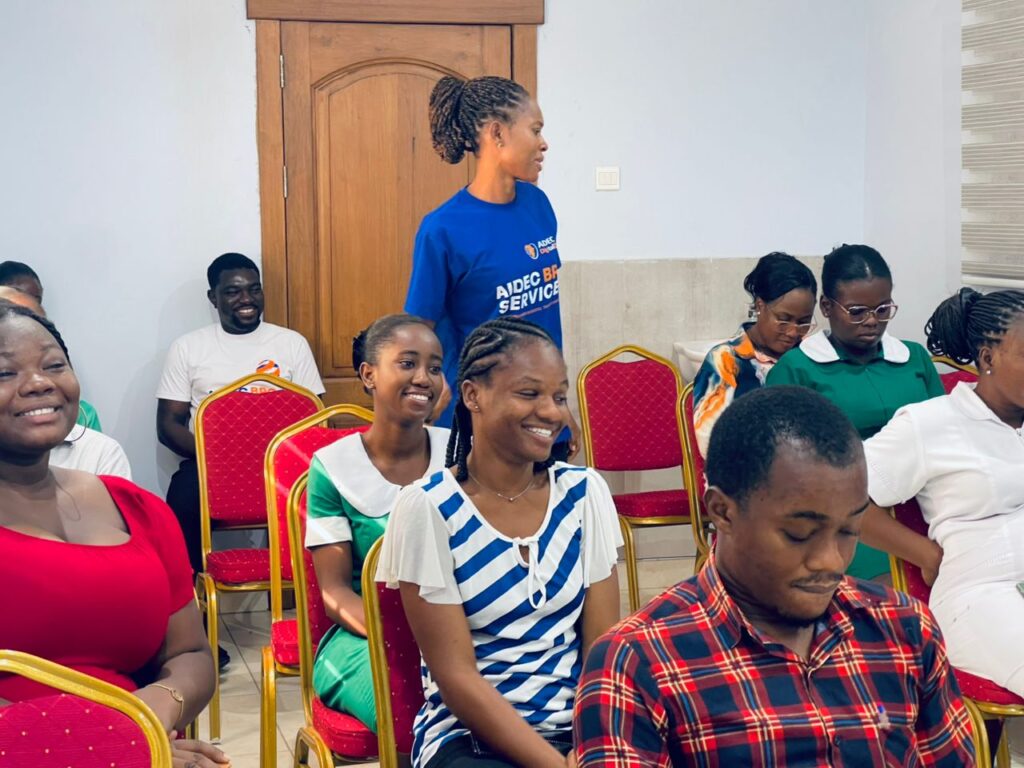
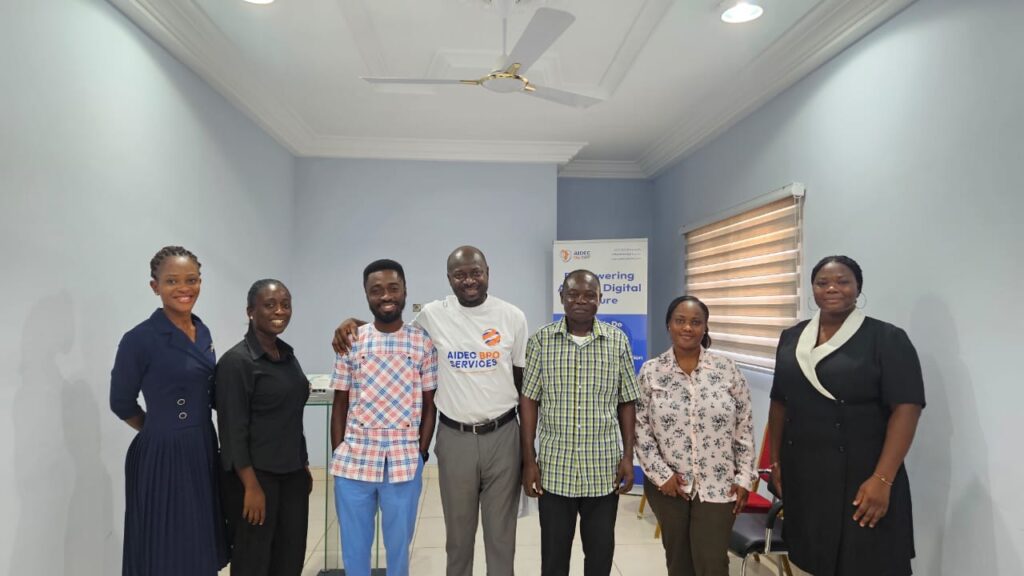
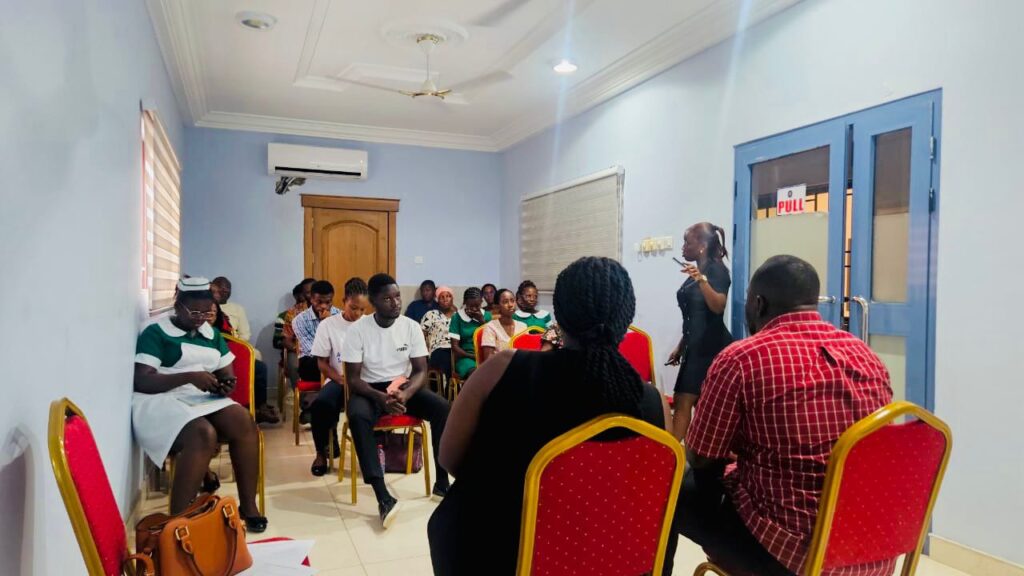
It is against this backdrop that AIDEC Digital successfully delivered a comprehensive 3-day Patient Experience Training for the management, clinical, and non-clinical staff of Mwin Tuba Hospital.
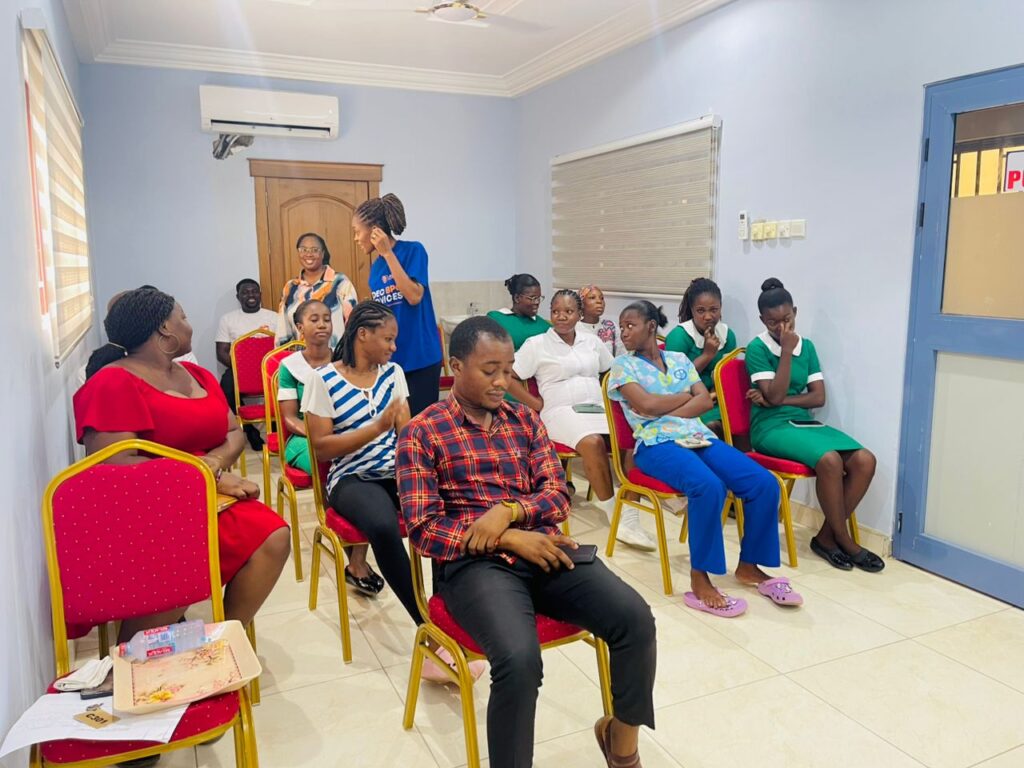
Redefining Care Beyond Clinical Outcomes
The training was designed to shift perspectives from a purely clinical focus to a more holistic, patient-centered approach. Participants explored the critical distinction between clinical care, patient care, and patient experience recognizing that while treatment addresses illness, experience shapes trust, satisfaction, and long-term loyalty.
At the heart of the training was a simple but powerful idea: patient experience is not just what healthcare providers do, but how they do it.
This mindset encouraged participants to rethink everyday interactions from the first point of contact at the hospital gate to discharge and follow-up as defining moments in the patient journey.
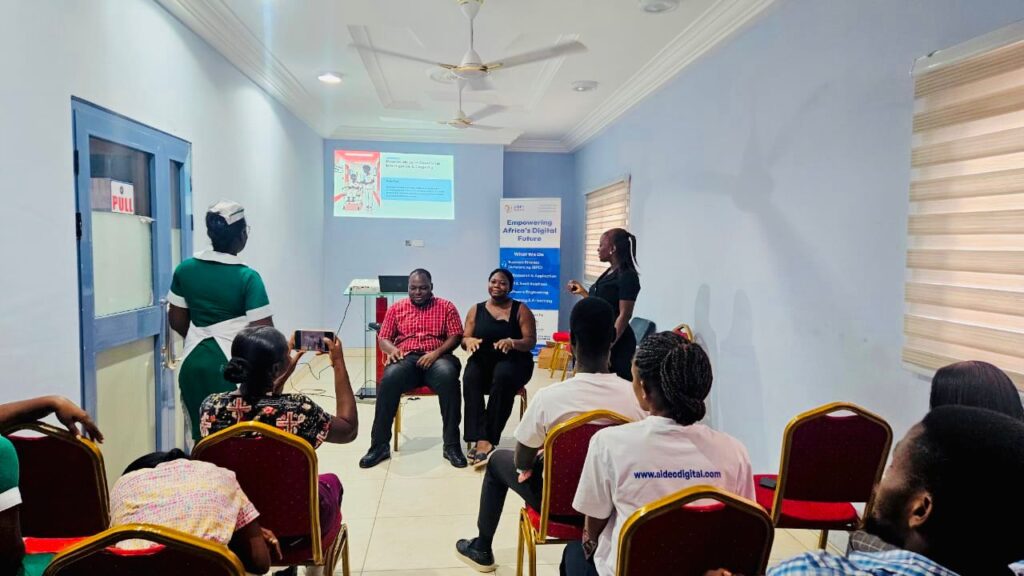
An Immersive and Practical Learning Experience
Unlike traditional training approaches, the sessions were highly interactive, engaging participants through real-life scenarios, role plays, and collaborative discussions. These activities allowed staff to step into the shoes of patients and caregivers, gaining firsthand insight into the emotional and practical challenges patients face.
At one point during a role-play session, a nurse reflected on how easily emotional needs can be overlooked in busy clinical environments. “Sometimes we focus so much on the clinical task that we forget the patient is anxious or afraid,” she said. “A few words of reassurance can completely change their experience.”
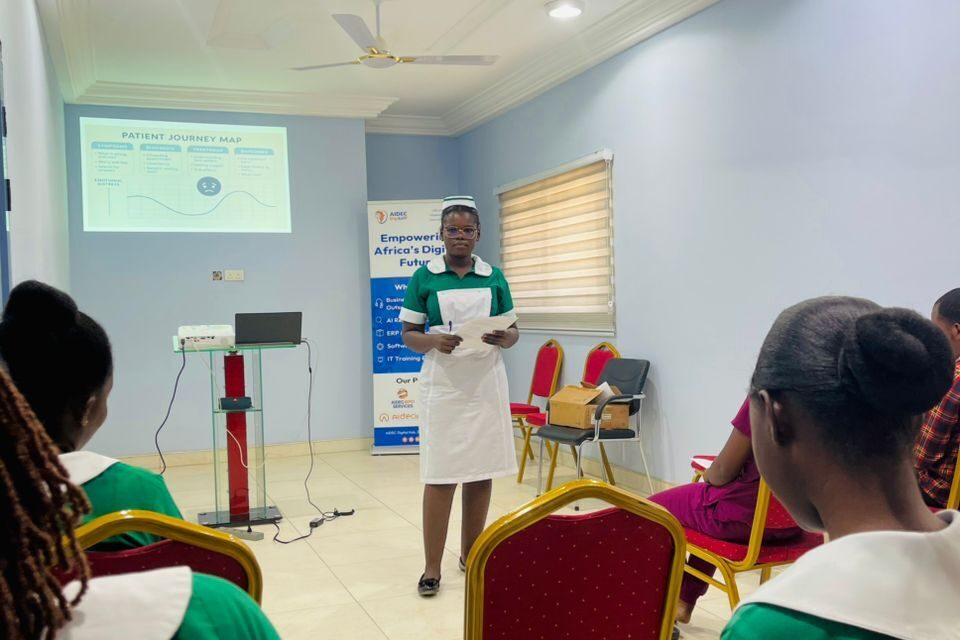
In another discussion centered on operational challenges, a laboratory professional highlighted the role of communication in managing expectations. “Delays may happen, but what matters is how we communicate them,” he noted. “When patients are informed, they are more understanding and less frustrated.”
These reflections were reinforced through patient journey mapping exercises, where participants examined each stage of the hospital experience, identifying key touchpoints, emotional highs and lows, and common pain points such as long waiting times, communication gaps, and process inefficiencies.
Interestingly, insights also emerged from non-clinical staff. A security officer shared how the training reshaped his understanding of his role: “I didn’t realize I was part of the patient experience. The way I welcome and guide patients at the gate can either calm them or make them more anxious.”
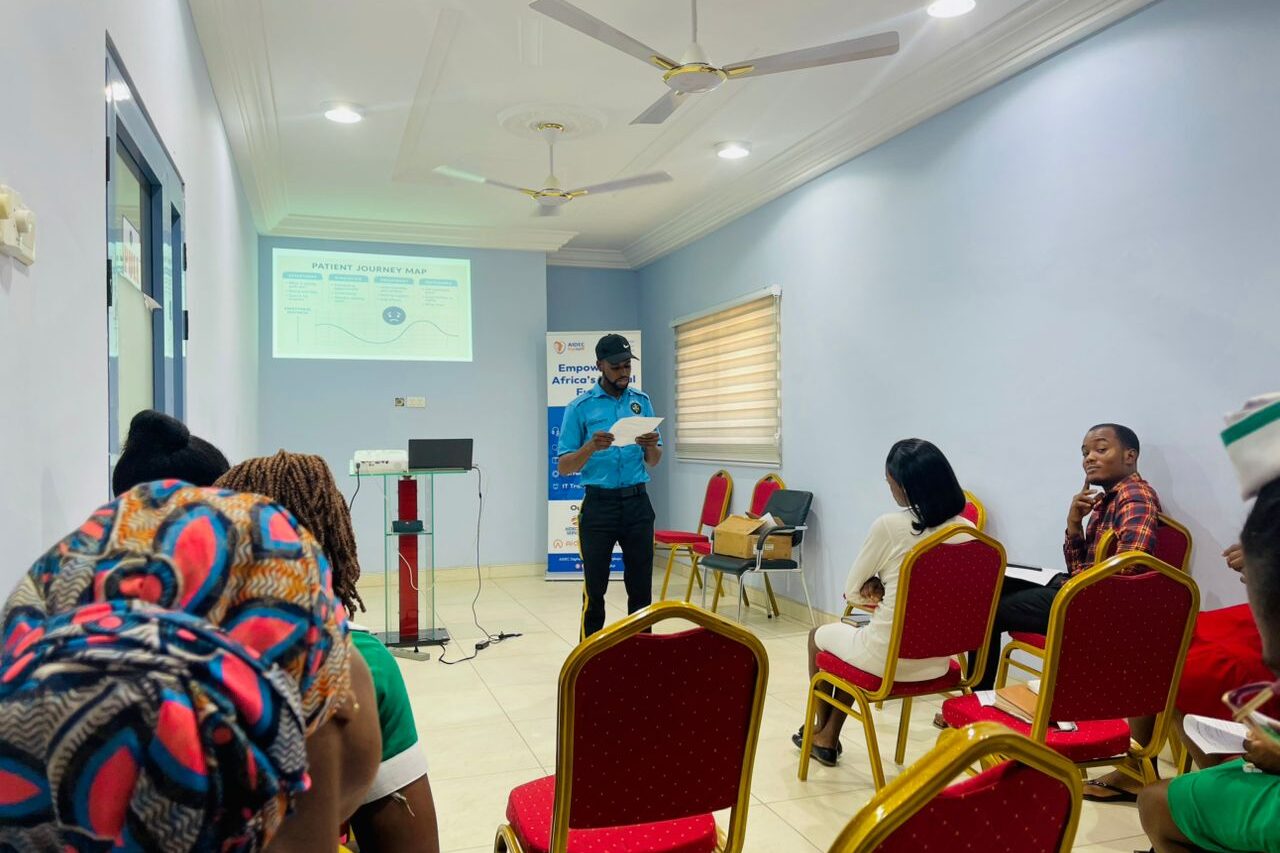
Building Critical Skills for Better Patient Outcomes
The training emphasized a wide range of skills necessary to deliver exceptional patient experience, including empathy, emotional intelligence, professionalism, and operational efficiency.
As participants explored service recovery strategies, discussions frequently returned to the importance of trust. One recurring theme was that even when things go wrong, how staff respond can determine whether the experience improves or deteriorates.
Leadership Perspectives: Driving Systemic Change
Beyond individual roles, the training placed strong emphasis on leadership responsibility in shaping patient experience through systems, culture, and accountability.
During a leadership session, a Quality Assurance (QA) lead pointed out the need for structured measurement and continuous improvement. “We cannot improve what we do not measure,” she explained. “Tracking feedback, waiting times, and complaints will help us identify where to act.”
Similarly, the lead of the pharmacy department reflected on how small changes can significantly improve patient perception.
“The pharmacy is a critical touchpoint in the patient journey,” she said. “If we communicate clearly and reduce waiting time, we can significantly improve the overall patient experience.”
These perspectives reinforced a key message from the training: while staff deliver the experience, leadership must design the systems that make consistent excellence possible.
Driving Impact Across the Healthcare System
The expected outcomes of the training extend beyond individual behavior change. At the patient level, improved communication and empathy are expected to enhance satisfaction, trust, and overall care outcomes. For staff, the training promotes stronger teamwork, reduced stress, and greater professional fulfillment.
Operational improvements are expected to streamline patient flow, reduce delays, and enhance coordination across departments, ultimately strengthening the hospital’s reputation and long-term sustainability.
A Commitment to Patient-Centered Excellence
The successful completion of this training marks an important step in Mwin Tuba Hospital’s journey toward delivering truly patient-centered care. It also reinforces AIDEC Digital’s commitment to supporting healthcare institutions with innovative training solutions that combine human insight with practical tools and frameworks.
Ultimately, transforming healthcare is not just about advancing technology or improving infrastructure — it is about intentionally designing experiences that make patients feel seen, heard, and cared for at every stage of their journey.
For Mwin Tuba Hospital, this training marks more than just a completed program; it signals a renewed commitment to building a culture where empathy, efficiency, and excellence are embedded in everyday practice. For AIDEC Digital, it reinforces a clear mission — to partner with institutions in shaping healthcare systems that truly put people first.
 /home/afripjzx/technewsglobal.net/wp-content/themes/foxiz/templates/popup.php on line 167